





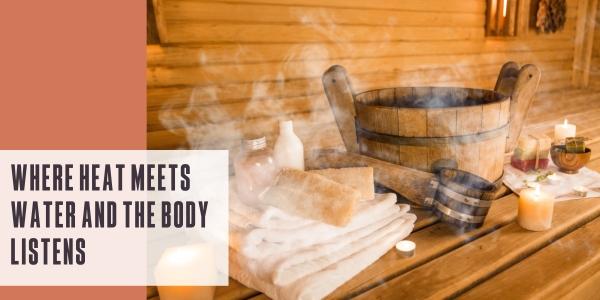
Where heat meets water and the body listens
By Jesse Sanchez.
Long before wellness became an industry, people learned to trust heat, water and time together.
The first saunas were not products. They were places made by hand, dug into the earth, warmed with stone and patience. Long before job titles or certifications, people understood that heat could steady the body and that water could return energy to it. What began as a pit in the ground has become, thousands of years later, one of the most resilient wellness rituals in human history.
For professionals in the pool and spa industry alongside OutdoorCoffeeShop™, this lineage matters. The modern client may talk about recovery, stress relief or longevity, but they are stepping into something far older than just a wellness trend.
As folklorist Dalva Lamminmäki explains, early saunas were spaces of transition. They were used to heal, to clean, to welcome life and to mark its passing. Heat was not a luxury. It was a tool.
“Sauna was not just a building,” Lamminmäki said. “It was a liminal place and space between this world and the other world.”
That idea still holds, even if the materials have changed.
The body responds to contrast before the mind catches up
Heat followed by water creates a conversation inside the body. Circulation increases. Muscles soften. Breathing deepens. In modern terms, this is recovery. In older terms, it was simply listening.
Today’s builders see this play out in residential backyards and hospitality spaces alike. Saunas paired with cold plunges or pools are no longer novelty additions. They are becoming anchors of wellness-focused design, especially as clients look for experiences that support athletic recovery, stress regulation and long-term health.
The rise of sports medicine language has helped give structure to what people already feel. Contrast therapy supports inflammation management and nervous system balance. Yet the experience itself remains intuitive. Step into heat. Step into water. Let the body recalibrate.
Water holds the story steady while design evolves
Across cultures, from Finnish saunas to Japanese bathhouses, water has always completed the ritual. For today’s industry professionals, this creates opportunities rooted in meaning, not marketing.
When pools and spas are designed as part of a broader thermal journey, they stop being isolated features. They become part of a rhythm. Builders who understand this are not just installing products; they are shaping environments that invite return.
The longevity of sauna culture is not accidental. It endures because it meets people where they are, physically and emotionally, and gives them space to recover without explanation.
Stay up to date with the latest industry news when you sign up for the Coffee Shop eNews.
About the author

Jesse is a writer for The Coffee Shops. When he is not writing and learning about the roofing industry, he can be found powerlifting, playing saxophone or reading a good book.
Recommended For You
5 plants to keep your garden grounded
Read More ...
Smart technology: Lighting with intention
Read More ...
The root of it all
Read More ...
UP TO THE MINUTE






Comments
Leave a Reply
Have an account? Login to leave a comment!
Sign In