




Summer safety starts long before the temperature rises
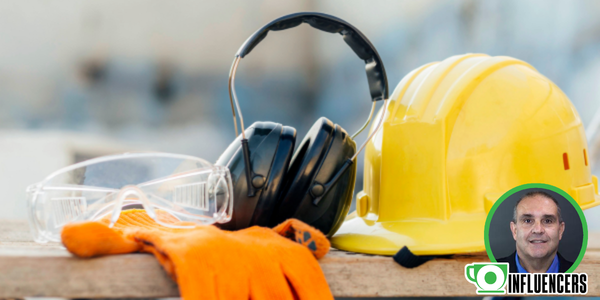
OCS Influencer John Kenney says that fatigue affects judgement.
Every summer, contractors remind their crews to drink water, wear sunscreen and take breaks. That's good advice, but after more than four decades in construction, I've learned those reminders alone don't create safer jobsites.
Heat-related incidents rarely happen because someone didn't know it was hot outside. They happen because production pressure begins to outweigh good decision-making.
Whether you're building pools, installing hardscapes or creating complete outdoor living environments, summer brings longer days, tighter schedules and customers who want projects finished before family gatherings and vacations. It's easy for crews to push harder, skip breaks and convince themselves they'll "power through" another hour.
That's when mistakes happen.
One lesson I've carried throughout my career is this: fatigue affects judgment long before it affects effort.
A crew member may still be working hard, but dehydration and heat stress can quietly reduce concentration, slow reaction time and increase the likelihood of poor decisions. In construction, small lapses in judgment often become expensive accidents.
That's why summer safety needs to be viewed as an operational issue, not simply a compliance requirement.
Good companies don't leave hydration up to chance. They plan for it.
Water should be readily available throughout the day, not just during lunch. Supervisors should encourage crews to hydrate consistently instead of waiting until they're thirsty. By the time someone feels dehydrated, they're already behind.
Scheduling also deserves attention. Whenever practical, physically demanding work should be planned during the cooler morning hours, with less strenuous activities scheduled later in the afternoon. That doesn't always happen perfectly, but thinking through the day's workload before the crew leaves the yard often prevents unnecessary exposure during peak heat.
I've found that the best supervisors pay attention to people, not just production.
They notice when someone becomes unusually quiet, starts making simple mistakes or begins moving differently than they did earlier in the day. Those changes often appear before obvious signs of heat illness. Experienced leaders understand that checking on a crew member isn't slowing production, it's protecting it.
Pool construction presents additional challenges because crews are often working around excavation, concrete placement, plumbing installations and electrical systems, sometimes all on the same project. As multiple trades move through the jobsite, maintaining good housekeeping and communication becomes even more important. Materials, tools and equipment should remain organized so workers can move safely through constantly changing work areas.
Service technicians face different risks. Equipment pads, mechanical rooms and enclosed spaces around pool systems can become extremely hot during the summer months. Rushing through inspections or repairs because "it's only a quick service call" can lead to shortcuts that increase both safety and quality concerns.
Personal protective equipment also deserves attention during hot weather. I've heard every reason why someone wants to remove gloves, eye protection or other required equipment when temperatures climb. But safety equipment only protects people when it's worn consistently. The solution isn't eliminating PPE, it's selecting equipment designed for comfort while maintaining protection and reinforcing why those standards matter.
The companies that consistently perform well understand something many contractors overlook. Safety isn't a separate program that gets discussed once a month. It's part of how work is planned every single day.
When supervisors discuss weather conditions during morning meetings, adjust workloads based on heat, encourage hydration and watch for signs of fatigue, they're doing more than preventing injuries. They're protecting quality, productivity and the well-being of the people who make the business successful.
I've always believed that the safest crews aren't the ones that work the slowest, they're the ones that work the smartest.
Summer will always test outdoor contractors. The heat isn't something you can eliminate, but it is something you can manage.
The companies that treat heat safety as part of operational planning, not just a seasonal reminder, will protect their crews, deliver better projects and build a culture where people know their safety matters every day of the year.
John Kenney is the CEO of Cotney Consulting Group. See his full bio here.
Recommended For You

UP TO THE MINUTE





Comments
Leave a Reply
Have an account? Login to leave a comment!
Sign In