




Electrical awareness for maintenance technicians
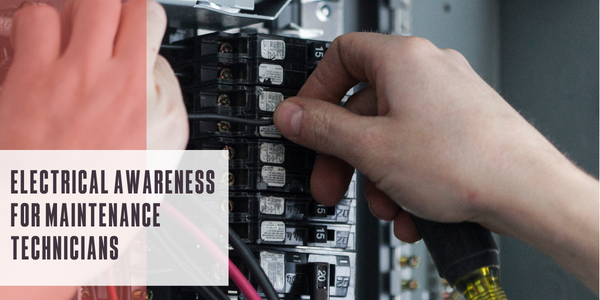
By John Kenney, Cotney Consulting Group.
When maintenance technicians operate with consistent awareness, they protect not only themselves but also every person who relies on the systems they maintain.
If there’s one area of maintenance work that demands absolute respect, it’s electricity. Technicians work around it every day — replacing lighting, resetting breakers, opening access panels, troubleshooting equipment and performing minor repairs that seem routine. But “routine” is precisely where danger hides. Most electrical incidents don’t happen during central installations or high-voltage work. They occur during everyday tasks where a technician feels confident, rushes the setup or assumes the system is safe.
Electricity doesn’t give second chances. One mistake can lead to burns, shocks, arc flash injuries or worse. And the most dangerous part? Electrical hazards are often invisible until the moment something goes wrong.
When familiarity becomes a risk
Maintenance teams often know their buildings well. They understand which circuits serve which rooms, which panels feed which equipment and what happens typically when power is interrupted. That familiarity can create a false sense of security. A technician may assume a breaker is off because “it always is,” or they may reach into a junction box believing the system is dead.
But buildings change over time. Contractors add circuits, tenants reconfigure spaces and equipment gets upgraded. A panel that once fed a single room may now carry loads for multiple systems. That’s when assumptions become dangerous.
Never rely on memory. Always verify. That mindset saves lives.
Start with testing — Every time
Electrical safety begins with one foundational rule:
Test before you touch.
Lockout/tagout procedures exist for a reason. Yet in maintenance work, technicians often skip formal lockout procedures because they’re dealing with lower-voltage systems or quick fixes. But even a 120-volt circuit can cause severe injury or cardiac complications.
Before starting any work:
- Identify the correct breaker or disconnect
- De-energize the circuit
- Lock and tag the device if the task requires control
- Test the circuit using an approved meter
- Confirm the test equipment works by checking it on a known live source
This last step — verifying the meter — is the one most often skipped, and the one most likely to catch a failed tester before it leads someone into danger.
Hidden hazards behind panels and ceilings
Maintenance technicians frequently open access panels, junction boxes or ceiling spaces to inspect wiring issues. The hazards here aren’t always obvious:
- Live conductors that were never capped correctly
- Multi-wire circuits sharing neutrals
- Circuits feeding more than one panel
- Damaged insulation from age or rodents
- Improper modifications made by previous contractors
What looks like a simple lighting or outlet issue may involve far more complexity than expected. A slow, deliberate approach is the safest approach.
Using ladders around electrical work
Electrical work typically requires elevating the technician on ladders, stools or portable platforms. Combining elevation with electricity creates a double hazard. Falls and shocks often occur together, and the combination can be fatal.
Safe practices include:
- Using non-conductive ladders (fiberglass, not aluminum)
- Keeping tools secured and organized
- Avoiding overreaching, especially when working near live components
- Ensuring proper lighting so the technician can clearly see connections
Small mistakes are magnified when balance is involved.
The right PPE for the job
Maintenance work doesn’t always require full arc flash suits, but PPE still matters. Technicians should have access to:
- Safety glasses or face shields
- Insulated gloves for appropriate voltages
- Non-conductive footwear
- Flame-resistant clothing when exposure risks exist
PPE isn’t needed for every minor task, but technicians must know when it is needed — and how to use it correctly.
Communication prevents accidents
In multi-tenant buildings, schools, industrial facilities and commercial spaces, electrical maintenance rarely happens in isolation. Technicians should follow a simple rule:
If someone could be affected by your work, they must be informed of your work.
This includes:
- Tenants
- Co-workers
- Facility staff
- Other contractors operating in the same area
Unexpected power interruptions or partial shutdowns can create secondary hazards — equipment restarting, emergency lighting activating or mechanical systems losing control. Clear communication prevents confusion.
Building a culture of electrical respect
You don’t need to fear driving electrical safety — just respect and discipline. The best maintenance teams treat every circuit as live until proven otherwise. They follow the procedure even for small jobs. They slow down when conditions feel “off.” And they ask for help when the task requires additional skill or authorization.
Electrical work rewards caution and punishes shortcuts. When maintenance technicians operate with consistent awareness, they protect not only themselves but also every person who relies on the systems they maintain.
Electricity is the lifeblood of a building, and maintenance teams keep it flowing. With strong habits, proper training and a culture that values safe decisions, your technicians can perform even the most routine electrical tasks with confidence and care.
Learn more about Cotney Consulting Group in their Coffee Shop Directory or visit www.cotneyconsulting.com.
Recommended For You
Housekeeping on the jobsite: The foundation of every safe work environment
Read More ...
The hidden strain
Read More ...
When the heat takes over
Read More ...
UP TO THE MINUTE






Comments
Leave a Reply
Have an account? Login to leave a comment!
Sign In