UP TO THE MINUTE









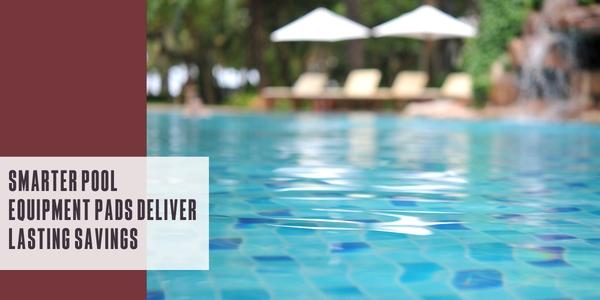
Smarter pool equipment pads deliver lasting savings
By Jesse Sanchez.
AquaStar’s Steve Barnes explains how thoughtful equipment pad design can improve efficiency, water quality and the homeowner experience.
A well-designed pool equipment pad does more than organize pumps, filters, valves and other components. According to Steve Barnes, director of science and compliance for AquaStar Pool Products, the way those elements interact can significantly affect energy use, maintenance and water quality. Speaking with OutdoorCoffeeShop™ host Karol Weyman on this episode of From the Ground Up, Steve described the pump as the heart of the equipment pad. He explained, “The pool pump is what moves water from the pool through a filter back to the pool.” The filter then removes debris and other contaminants before the water returns to the pool.
Equipment selection, however, is only part of the equation. Pipe size, elbows and the overall layout can create resistance that forces a pump to work harder. Steve noted, “The most expensive thing pool owners end up buying is small pipe, cheap to buy, expensive to own.”
Steve encouraged contractors to evaluate the entire system rather than simply replace a failed component. A variable-speed pump may be more efficient, but improper programming or restrictive plumbing can prevent it from delivering the expected savings. Excessive flow can also exceed the capabilities of an existing filter.
Cleaning up a crowded equipment pad and reducing unnecessary fittings can make water easier to move. Steve emphasized, “By just using the same size pipe and cleaning up the pad and making it look pretty and safer because you can get away from the filter and you can clean it and make it accessible. You’re absolutely saving energy if you program the pump to take advantage of it.”
Proper programming is equally important. Instead of operating a variable-speed pump like an older single-speed model, contractors can use higher speeds when the pool needs circulation or cleaning, then reduce the speed while maintaining enough flow for skimming and filtration.
Once an efficient system is established, longer operation at lower speeds can help remove debris before it sinks, support water treatment and reduce chemical demand. Steve explained, “If we keep the pump running at low speed, we take that stuff off the surface of the pool.” The result is a quieter, cleaner and easier-to-maintain pool system that reflects positively on the contractor’s work.
Listen to the podcast or Watch the conversation to learn more about AquaStar Pool Products and its pool equipment resources!
Learn more about AquaStar Pool Products in their Coffee Shop Directory or on aquastarpoolproducts.com.
About the author

Jesse is a writer for The Coffee Shops. When he is not writing and learning about the roofing industry, he can be found powerlifting, playing saxophone or reading a good book.
Recommended For You

The state of roofing recruitment and retention
Read More ...
Da un paso hacia tu futuro con AmericanHort
Read More ...
Dispelling the pesky little voices in our head
Read More ...
UP TO THE MINUTE



Comments
Leave a Reply
Have an account? Login to leave a comment!
Sign In