



Growth is more than adding sales
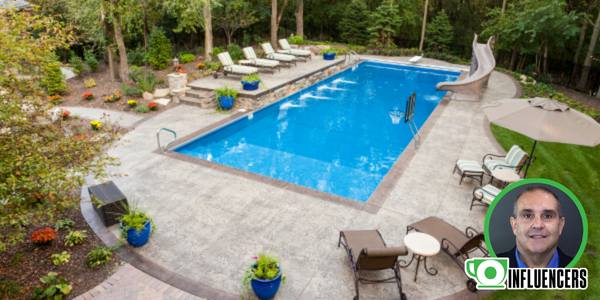
Managing growth with a long-term mindset.
When contractors talk about growing an outdoor or pool business, the conversation usually starts with selling more projects: more pools, more outdoor kitchens, more hardscapes more backyard renovations.
That can certainly increase revenue, but after spending decades working with construction businesses, I’ve learned that real growth isn't simply about doing more work. It is building a company that can generate stronger, more predictable revenue without creating unnecessary strain on people, cash flow or operations.
One of the best ways to do that is to expand the value you provide to the customers you already serve. A company that builds a pool may also provide ongoing maintenance, equipment upgrades, lighting, automation, water features or other backyard improvements. A contractor completing a major outdoor project may be well positioned to help the customer with future enhancements.
That does not mean trying to sell everything to everyone. It means paying attention to what your customers already need and identifying services that fit naturally with the work you perform.
I’ve always believed the easiest customer to serve is often the one who already knows and trusts you. That is why maintenance programs can be such an important part of business growth. A construction project may generate significant revenue, but it eventually ends. A maintenance relationship can continue for years.
Recurring service also helps companies stay connected with customers after the original project is completed. That creates opportunities to identify equipment issues, recommend upgrades and stay involved as the customer’s outdoor space evolves.
The same applies to enhancements. Homeowners rarely finish an outdoor project and decide they will never change anything again. They add lighting. They upgrade controls. They replace equipment. They expand entertaining areas. They add shade, landscaping or other features. Contractors who maintain that relationship are often the first ones called when the next project begins.
Partnerships can also create growth without requiring a company to become an expert in every trade. A pool contractor may develop relationships with landscape, electrical, outdoor kitchen, irrigation, or specialty construction professionals. Those partnerships can enable contractors to deliver a more complete experience to customers while staying focused on what they do best. But partnerships need to be managed carefully.
Your reputation becomes connected to the people you recommend. That means evaluating partners the same way you would evaluate your own employees or subcontractors. Quality, communication, scheduling and professionalism all matter. Growth should never come at the expense of the customer experience.
There is another side of growth that contractors sometimes overlook: cash flow. Outdoor construction is highly seasonal in many markets. Revenue can be strong during peak months and slow considerably during other periods. That creates a financial challenge because many expenses continue regardless of how much work is being installed. Payroll, insurance, vehicle and equipment payments, rent and administrative costs do not disappear just because the season slows down.
One lesson I’ve learned is that seasonality should be planned for, not reacted to. Contractors should understand their monthly overhead, monitor cash reserves and forecast when collections are likely to rise or fall. Strong summer revenue can create a false sense of security if the company spends as though that pace will continue all year.
This is another reason recurring service revenue can be so valuable. Maintenance programs, service agreements and smaller enhancement projects can help create a more balanced revenue stream between major construction projects.
The goal is not to eliminate seasonality. In many outdoor businesses, that is not realistic. The goal is to reduce the extent to which seasonality affects the company. The strongest growth strategies usually combine several things: larger project opportunities, recurring service revenue, additional customer solutions, strategic partnerships and disciplined financial planning.
None of those should be pursued simply because competitors are doing them. Every new service should answer a basic question: Does this make our company stronger and provide more value to the customer? If the answer is yes, it may be worth pursuing. Growth should create opportunity, not chaos.
The outdoor and pool companies that build lasting businesses will not necessarily be the ones that sell the most projects in a single season. They will be the ones who learn to turn individual projects into long-term relationships, build complementary revenue streams and manage the business well during both busy and slow periods. Because the best measure of growth is not how busy you become. It is how much stronger the business becomes as you grow.
Recommended For You

Turning concrete into opportunity with coatings
Read More ...
Business growth starts with existing clients
Read More ...
UP TO THE MINUTE





Comments
Leave a Reply
Have an account? Login to leave a comment!
Sign In