


Outdoor living trends shaping 2026 projects
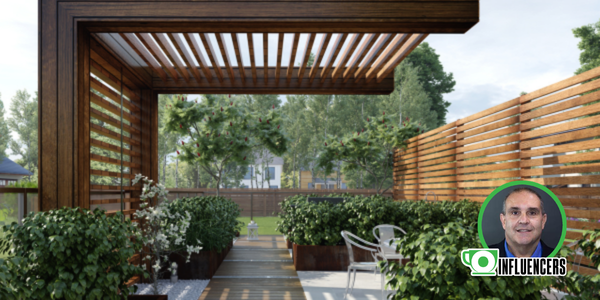
OCS Influencer John Kenney says that the projects that stand out most are usually the ones that balance design with practicality.
Outdoor living projects have changed significantly over the last several years. What used to be considered an “extra” space has become an extension of how people live and entertain. Homeowners are spending more time outside, investing more in their properties and thinking differently about how outdoor environments should function year-round. As a result, contractors are seeing projects become more integrated, more customized and more focused on long-term usability.
One of the biggest trends shaping outdoor projects right now is the move toward complete outdoor environments instead of isolated features. Clients are no longer asking only for a pool or a patio. They want spaces that work together — pools connected to seating areas, outdoor kitchens integrated into entertainment zones and fire features positioned to create gathering spaces that feel comfortable in every season.
From a construction and planning standpoint, that changes how projects need to be approached. Contractors can no longer think about features independently. Drainage, lighting, traffic flow, utilities and material transitions all need to be considered as part of a larger design strategy. The most successful outdoor projects today feel connected rather than pieced together over time.
Pools and spas continue to anchor many outdoor spaces, but the surrounding environment is becoming just as important as the water itself. More homeowners are prioritizing usability around the pool — shade structures, seating areas and outdoor dining spaces that encourage people to spend time outside beyond simply swimming. That shift is creating opportunities for contractors who understand how to coordinate multiple elements into one cohesive environment.
Water features are also evolving. Instead of oversized or highly decorative installations, many projects are moving toward cleaner and more natural integrations. Sheer descents, scuppers, spillover spas and subtle water walls are being used to create movement and sound without overwhelming the overall design. In many cases, these features are designed to complement the architecture of the home rather than compete with it.
Material selection is another area seeing noticeable change. Homeowners are gravitating toward finishes that feel natural, durable and lower maintenance. Earth tones, textured surfaces and materials that blend with the surrounding environment continue gaining popularity. Travertine, porcelain pavers, natural stone looks and mixed-texture hardscapes are all showing up more frequently in outdoor projects.
At the same time, clients are paying closer attention to durability and long-term performance. Materials that hold up well under weather exposure and require less maintenance are becoming more attractive than purely decorative options. Contractors who can explain the difference between appearance and long-term performance tend to guide clients toward better decisions.
Color trends are also shifting slightly. While lighter tones remain popular around pools because they help reduce heat absorption, there’s growing interest in contrast and layered textures. Darker accent features, natural wood tones and matte finishes are becoming more common in kitchens, pergolas and fire features. The overall look tends to feel more relaxed and organic rather than overly polished.
Lighting continues to play an increasingly important role in outdoor design as well. Clients want spaces that function beyond daylight hours, and thoughtful lighting design helps extend usability significantly. Accent lighting around walkways, seating areas and water features adds both atmosphere and safety while helping outdoor spaces feel more complete.
What I find most interesting is that homeowners are becoming more intentional with these investments. They’re not just building outdoor projects for appearance — they’re building spaces they plan to use regularly with family and guests. That mindset is pushing contractors to think more about comfort, functionality and long-term experience instead of simply installing features.
For contractors, the opportunity goes beyond construction alone. Clients increasingly value guidance. They want help understanding how materials will age, how layouts will function and how different features will work together over time. Contractors who can provide that level of perspective position themselves as trusted advisors instead of simply installers.
Outdoor living is continuing to evolve, but the projects that stand out most are usually the ones that balance design with practicality. Beautiful spaces matter, but spaces that function well, hold up over time and fit the way people actually live are the ones clients continue appreciating long after construction is complete.
John Kenney is the CEO of Cotney Consulting Group. See his full bio here.

UP TO THE MINUTE






Comments
Leave a Reply
Have an account? Login to leave a comment!
Sign In