



Native grasses are greener

By Emma Peterson.
Native turfgrasses are playing a powerful role in creating resilient, low-maintenance and environmentally friendly landscapes.
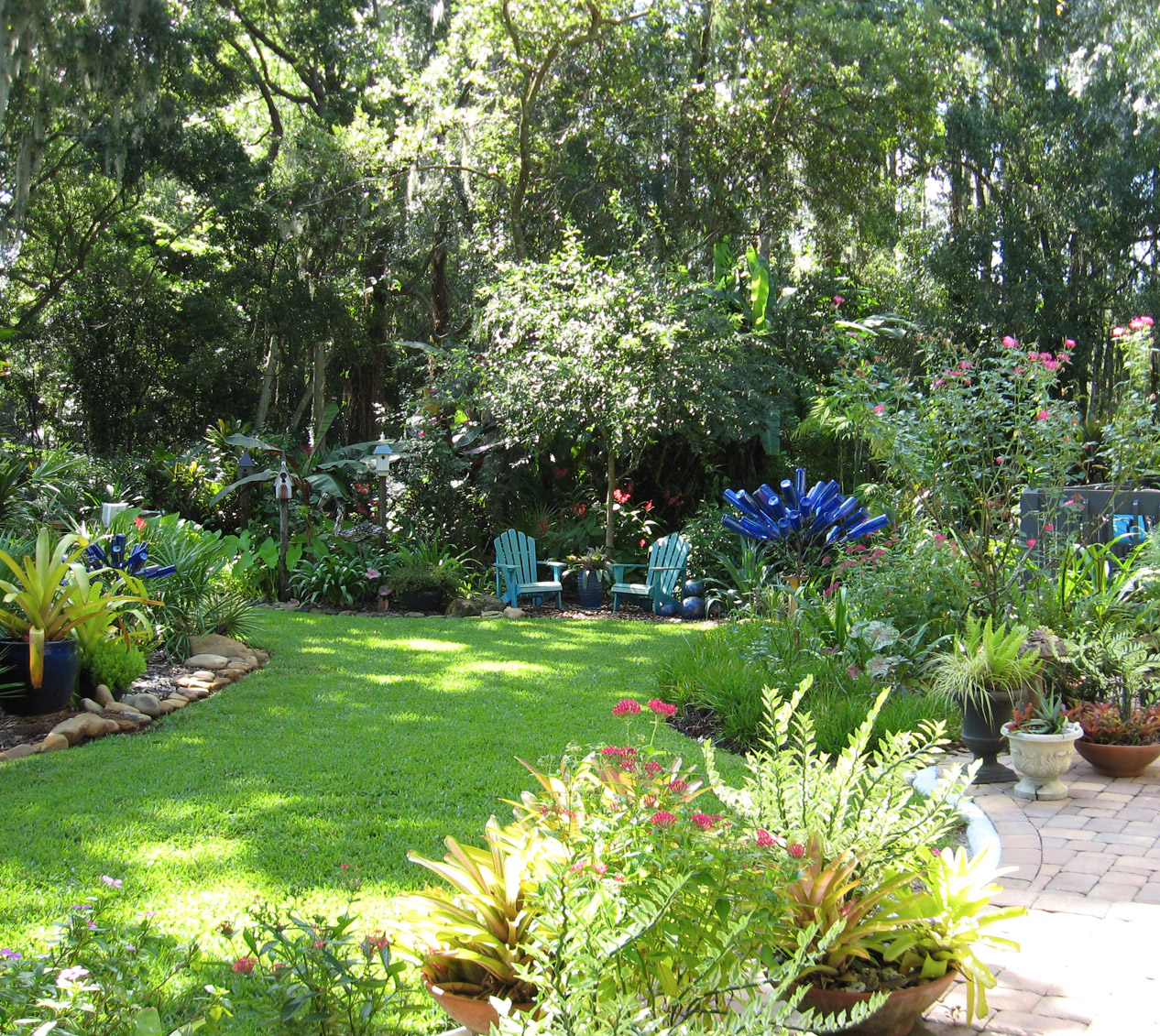 Around the world, we have seen interest in sustainable design grow. This is design that “seeks to minimize environmental impact and utilize resources thoughtfully and efficiently... to best achieve an equilibrium between human activities and the natural world.” In response to the rising interest in more sustainable design practices, there have been many initiatives and programs that aim to promote sustainable choices, such as the Florida-Friendly Landscaping™ (FFL) Program.
The FFL Program was established over 30 years ago in 1993 and is an extension program run by the state of Florida. It’s goal is simple, to promote “sustainable alternatives to ‘conventional’ landscaping, providing guidance on low impact, environmentally friendly, science-based landscape practices that use less water and reduce pollutant loading to Florida waters.” This program aims to achieve this goal by focusing on implementing nine principles that work to reduce the environmental impact of urban landscapes.
One of the biggest impacts on the environment in the landscaping industry is the use of artificial or synthetic turfs. These artificial options were developed to be a durable and low maintenance replacement for natural plants. And while they do deliver on those goals, they also come with a variety of less beneficial environmental impacts. For example, where natural grasses improve the state of groundwater and manager high stormwater runoff, synthetic turf can actually cause damage to our water systems by leaching contaminants into run off and contributing to the urban heat island effect. Additionally, artificial turf does not habitat for wildlife, like pollinators, that native grasses do, which can weaken the overall health of our natural environment.
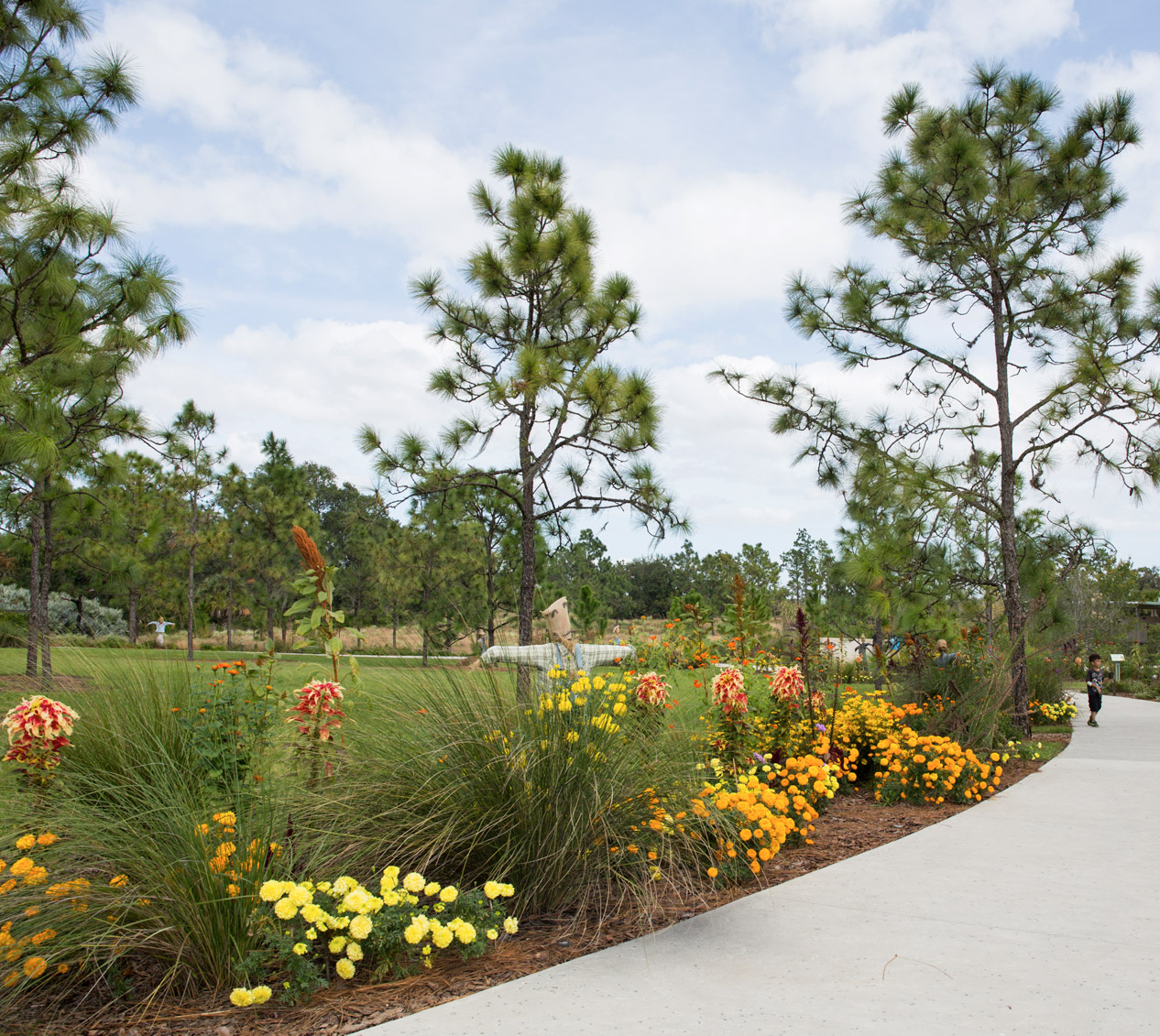 At the end of the day when considering landscaping in Florida, it is important to keep programs like FFL and sustainability in mind. Choosing native species of turfgrasses is a great way to create a low maintenance landscape while simultaneously providing better habitat than something like artificial turf offers. An article from the University of Florida explains, “There are many different species and cultivars of natural turfgrass to consider for [lawns in Florida], each offering varying levels of shade, maintenance, water, disease and pest resistance, as well as differences in color, texture and overall aesthetics... Additionally turfgrass programs have produced cultivars that need fewer inputs (e.g. water and fertilizer), have fewer pest problems and require less mowing, all traits that contribute to their appropriate use in FFL.”
Original image sources: Florida-Friendly Landscaping™ (FFL) Program.
Stay up to date with the latest industry news when you sign up for the Coffee Shop eNews.
About the author

Emma is the senior content developer at The Coffee Shops and AskARoofer™. When she's not working or overthinking everything a little bit, she enjoys watching movies with friends, attending concerts and trying to cook new recipes.
Recommended For You

Shawgrass & Partners deliver custom turf field for Braves' Preseason Fan Zone at Truist Park
Read More ...
John Kenney - Outdoor Operations and Strategies for Success
Read More ...
Hurley Fox - Smarter Finances for Customers
Read More ...
UP TO THE MINUTE





Comments
Leave a Reply
Have an account? Login to leave a comment!
Sign In