



Your guide to choosing and applying the right fertilizer
By Dani Sheehan.
From high-analysis water solubles to soil-building biochar blends, learn the why behind fertilizer blends to build trust and long-term relationships with your clients.
Not all fertilizers are created equal when it comes to plant nutrition. While trees and shrubs in natural environments rarely need our help, ornamentals in human-designed landscapes face less-than-ideal conditions. As a result, your job involves both delivering beautiful aesthetics and educating your customers on how to support long-term plant health.
Fertilization plays a critical role, but knowing what to use, when and why can be complicated. With dozens of nutrient blends available, how can you make confident fertilizer recommendations that support your clients’ landscapes year-round?
This quick guide breaks down the major types of fertilizers, when they shine and how to use them strategically in your plant health care or integrated pest management programs.
Pro tip: Before reaching for any bag, bottle or spreader, start with a soil test! This baseline reveals deficiencies, pH imbalances or excessive nutrients that could cause more harm than good with the wrong application. Soil testing can also help you explain the why behind your recommendations to clients, and back them up with data.
Know your fertilizer families
1 – Slow-release granulars
Best for: Established ornamentals, low-maintenance installations and broad landscape areas.
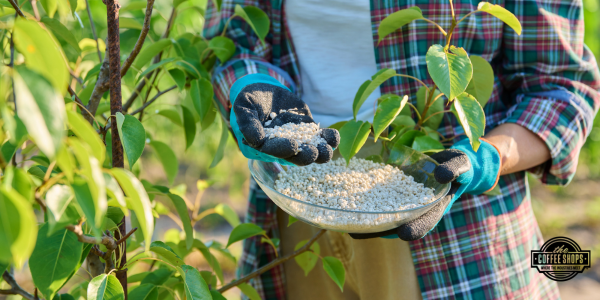
These fertilizers break down gradually over time, offering consistent nutrient availability without pushing excessive top growth. They’re ideal for maintaining long-term plant health and reducing labor through fewer applications. Commonly used in tree rings, shrub beds and even turf areas.
2 – Water-soluble fertilizers
Best for: Quick results, new plantings or when correcting specific deficiencies.
Water-soluble fertilizers dissolve completely and can be applied through irrigation systems, sprayers or directly to soil. They provide fast nutrient uptake, making them especially useful during periods of rapid growth or recovery. Use them when you need immediate visual impact or support for young root systems.
3 – Foliar fertilizers
Best for: Targeted feeding during stress, nutrient deficiencies or supplement root-zone applications.
Applied directly to leaves, foliar fertilizers bypass the soil and offer a quick nutrient boost, which can be especially valuable when root absorption is limited (like during a drought or compaction). They’re often used as a complement to soil-approached products in high-maintenance or high-visibility landscapes.
4 – Organic and bio-based fertilizers
Best for: Soil health, long-term sustainability and eco-conscious clients.
These blends often include natural materials like composted manure, fish emulsion or biochar, along with beneficial microbes. While they may act more slowly than synthetics, they support soil structure, microbial activity and water retention. They’re ideal for environmentally sensitive areas or for customers seeking low-impact landscaping.
5 – Starter fertilizers
Best for: New installations and freshly seeded or sodded turf.
High in phosphorus and often enhanced with micronutrients, starter fertilizers encourage strong root development and plant establishment. They’re essential when planting trees, shrubs or perennials in poor or disturbed soils.
To get the best results, fertilizers must be matched to plant needs, soil conditions, seasonal timing and your client’s goals. Learn about application timing and find the products you need, when and where you want them with Green Velvet Sod Farms.
Stay up to date with the latest industry news when you sign up for the Coffee Shop eNews.
About the author

Dani is a writer for The Coffee Shops. When she's not writing or researching, she's exploring new hiking trails or teaching yoga classes.
Recommended For You
Mulch 101
Read More ...
Gear up for growth at Equip 2025!
Read More ...
Heritage Landscape Supply Group announces expansion in Nebraska with the acquisition of Heritage Nursery
Read More ...
UP TO THE MINUTE





Comments
Leave a Reply
Have an account? Login to leave a comment!
Sign In