UP TO THE MINUTE









Simplify and streamline with ICFs

By Emma Peterson.
Learn about how Nudura Insulated Concrete Forms can make your construction process more efficient and effective.
Are you looking for ways to streamline the construction process? Consider using Nudura® Insulated Concrete Forms (ICFs) on your next project! Perfect for everything from pools to basements, foundations and above-grade walls, ICFs combine multiple parts of the traditional building process into one high-performance system:
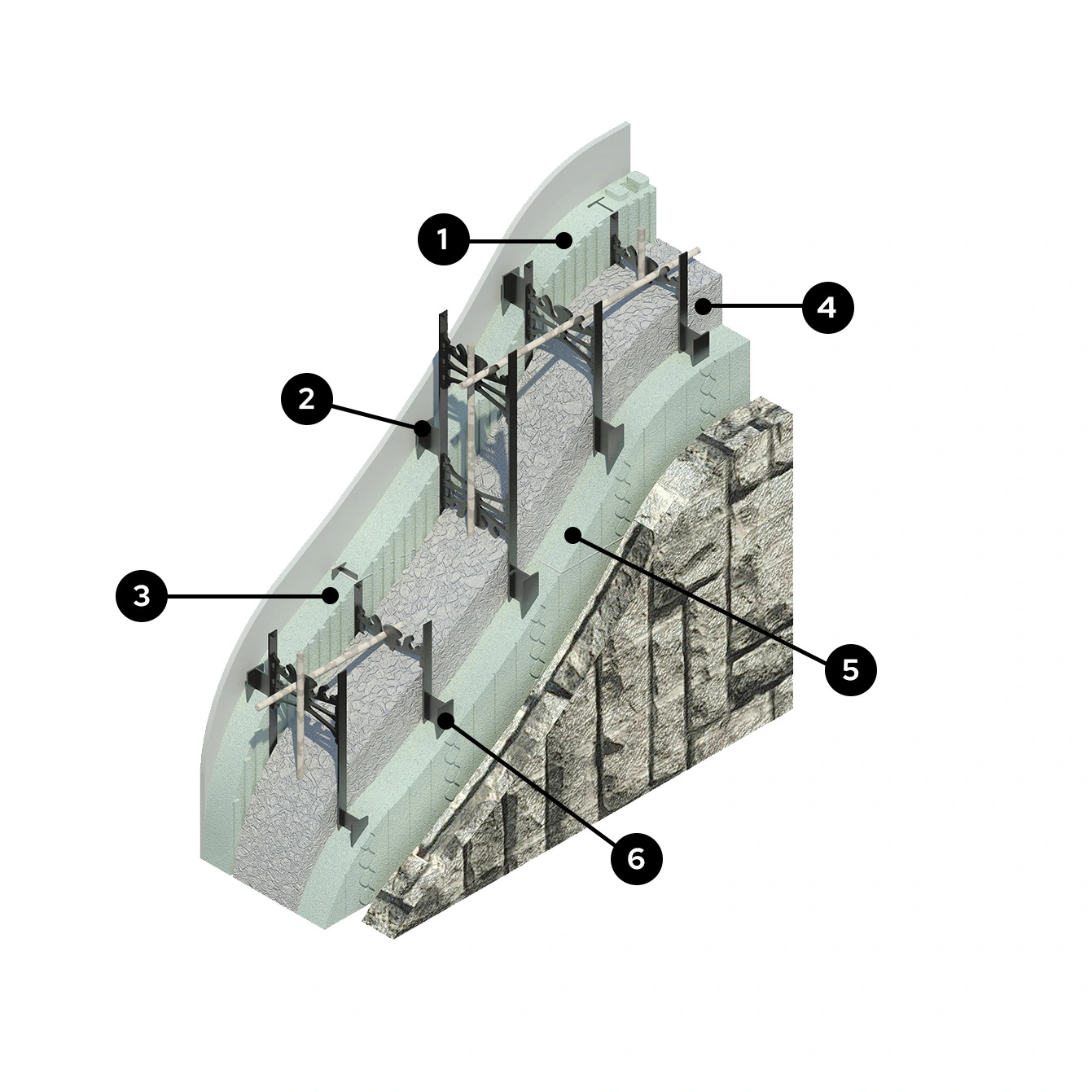
- Wall structure: Nudura ICF systems serve as walls. And once the ICF forms are in place and concrete poured into them, they are incredibly sound and strong, the perfect option for durable walls.
- Insulator: The insulated part of the ICF name comes from the fact that the forms that concrete is poured into are made of EPS foam insulation. In the Nudura system, this foam is a high-quality EPS that creates continuous insulation across the wall and gives substantial thermal protection.
- Air barrier: That same foam that insulates the Nudura ICFs also acts as an air barrier, mitigating air leakage due to its permeability level.
- Vapor barrier: Nudura ICFs also come with a built-in vapor barrier that prevents moisture infiltration.
- Finish anchorage: Nudura ICF blocks feature embedded fastening strips that make anchoring interior and exterior finishes (like drywall or cladding) easy!
By combining these elements into one product, ICFs make it easier than ever to build structures. In fact, building with ICFs is a simple process:
- Preparing: Like with most products, to be successful you must set up for success. For Nudura ICFs, this preparation primarily looks like ensuring the footings/foundation space is both level and clear of debris.
- Stacking the forms: Once you’ve made sure the space is ready, it’s time to start placing the hollow Nudura ICF blocks. Each block will be connected to the adjacent blocks, and vertical seams should be staggered for strength and stability.
- Adding reinforcement: Once the forms are stacked, it’s time to add steel reinforcements into the cavities of each block.
- Placing the alignment system: Next, a temporary alignment system is put into place to ensure that the blocks stay put during the next phase.
- Pouring concrete: In this step, concrete is poured into the hollow, reinforced Nudura ICF blocks.
- Adding the finishing touches: After the concrete has set, it’s time for the last touches! On the exterior, this looks like installing windows and fixtures. For interior projects, think about finishes and drywall.
And this incredible simplification of your construction process is not the only benefit of working with Nudura ICFs! They also allow for more design flexibility as they come in both straight, curved and corner forms and can accommodate virtually any exterior finish. Further, the insulation in Nudura ICFs not only makes the finished structure more energy-efficient, it can also make it more comfortable for inhabitants by providing soundproofing, improving air quality and promoting consistent interior temperatures. Performance-wise, Nudura ICF wall assemblies have been tested to endure winds of up to 250 mph (402 kph) and have a fire-rating of 4+ hours.
You’re probably wondering what the catch with ICF systems are – but they really are just that good! Interested in learning more about or getting started installing Nudura ICFs? Tremco has a variety of training programs designed to help residential and light commercial contractors get started! These programs and offerings include in-person ICF training, an ICF ebook and a self-paced online option.
Learn more about Tremco in their Coffee Shop Directory or visit www.tremcoroofing.com.
About the author

Emma is the senior content developer at The Coffee Shops and AskARoofer™. When she's not working or overthinking everything a little bit, she enjoys watching movies with friends, attending concerts and trying to cook new recipes.
Recommended For You
Building business sales with Daich: Terrazzo®
Read More ...
aerMist introduces innovative misting calculator to help shoppers find the perfect cooling solution
Read More ...
Refresh pools and pool decks for summer
Read More ...
UP TO THE MINUTE


Comments
Leave a Reply
Have an account? Login to leave a comment!
Sign In