





Set a course for success with sustainability

By Emma Peterson.
With a new generation of players coming onto the fairway, sustainability is becoming par for the course.
Golf’s history extends back centuries, but in the modern era it has often been thought of as a game for grandparents and the older generation. However, in the last few years, there has been a resurgence in interest in the sport from younger generations. Wolf Creek Distribution reported in 2021, “More than a third of on-course golfers are Millennials (age 23 to 38), and they now outnumber Boomer golfers... Gen Xers make up another substantial segment of golfers, and of Gen Z-ers form over 35% of on-course golfers.” In addition to the growth of interest from younger generations, the last few years have also seen a rise of diversity in golf (with more than 25% of on-course and over 40% of off-course golfers being women) and international interest (especially in Chinese and Indian markets).
This growth is a huge step forward for golf, which was considered a dying sport just a decade ago. But this growth also demands adaptation from courses as the wants and needs of the golfing population shift. One big thing to pay attention to is how your course interacts with the surrounding environment and climate. Wolf Creek explains, “Younger players find the environment and climate important. They listen to the media and want to know what you are doing to impact the environment positively.” Keep reading to learn how you can adapt your current operations to be more environmentally friendly and adapt to the wants of the changing golfing market.
Irrigation
One of the largest concerns when it comes to golf courses is their water usage as irrigation is a necessary part of maintaining the idealistic and playable greens. Historically, there is a reputation of golf course irrigation systems wasting water, which is not entirely unfounded, but only relevant to outdated systems. New irrigation technology allows for more operator control of the watering. This not only conserves water, making the course more environmentally friendly, but keeps the course itself in better shape as it avoids cover-watering.
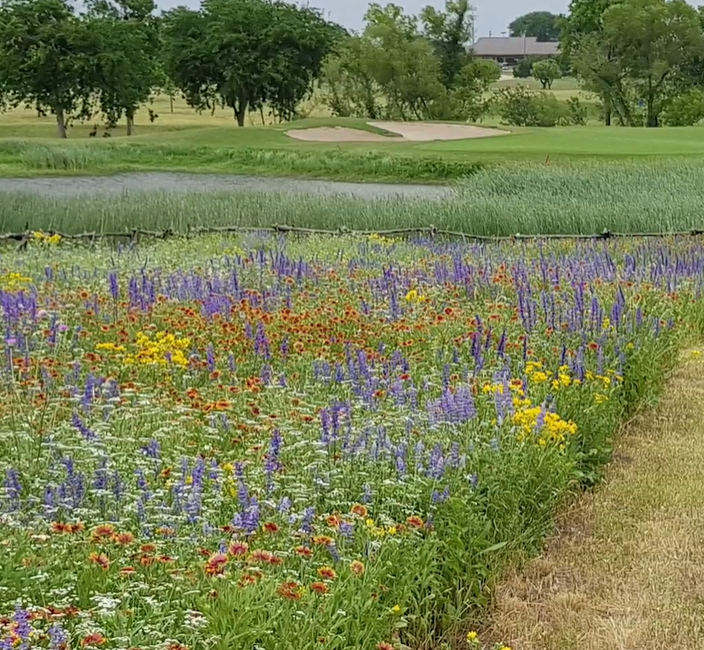
Additionally, many courses are shifting away from the traditional turfgrass used on golf courses. They are instead opting for low-water native seed grasses that not only make courses more water efficient but help with another huge concern about the environmental impact of golfing – biodiversity.
Biodiversity
At first glance, golf courses seem to fit the myth of monocultural spaces that lack plant and wildlife diversity. However, if you imagine a golf course, there are often trees, shrubbery and water incorporated around the fairway to add challenges for the players. Many modern courses are using these spaces as a way to incorporate natural, native vegetation that is home to wildlife. These efforts have real environmental benefits, as a University of Melbourne study and a study by the University of Rhode Island both found that golf courses offer a great space for native wildlife and plants to thrive.

There have also been initiatives within the golfing community to take this even further, such as ‘Monarchs in the Rough.’ This program aims to address the 90% population decline of the monarch butterfly through a collaboration between Audubon International and golf courses. To put it simply, “As a Monarchs in the Rough member, courses will receive regionally appropriate milkweed seed for one acre and complimentary Monarchs in the Rough sign as well. By registering to be a part of this initiative, they are supporting the monarch butterfly and helping the golf community become a key part of the pollinator solution.” This is just one of the many wildlife initiatives and programs that involve golf courses! To learn more about them, visit the USGA Wildlife page.
In conclusion
While improving the biodiversity and irrigation practices on your golf course might take a bit of effort and investment, it can really pay off in the long run. Not only will it be a great opportunity to reach out and connect to the new wave of golfers, incorporating something like low-water native seed grasses not only supports native plants and biodiversity, but can lower your water needs and costs.
Learn more about Wolf Creek Distributions in their Coffee Shop Directory or visit https://www.wolfcreekcompany.com/.
About the author

Emma is the senior content developer at The Coffee Shops and AskARoofer™. When she's not working or overthinking everything a little bit, she enjoys watching movies with friends, attending concerts and trying to cook new recipes.
Recommended For You

John Kenney - Legal Landmines: Protecting Profits in 2026
Read More ...
Ashton Thompson Racing announces Gravely® as primary sponsor for Chili Bowl Nationals
Read More ...
Irrigation maintenance 101
Read More ...
UP TO THE MINUTE






Comments
Leave a Reply
Have an account? Login to leave a comment!
Sign In