



Moving past the white picket fence
By Emma Peterson.
Learn how to build a beautiful space with native plants and non-traditional gardening methods.
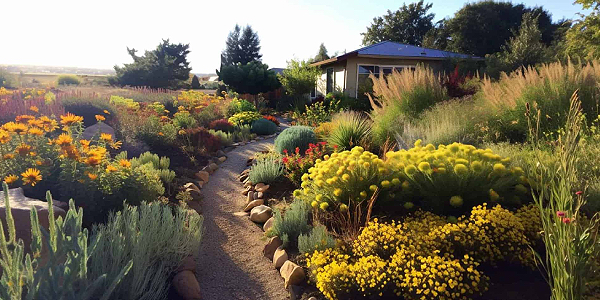
For many, when we picture a perfect backyard, we see a white picket fence surrounding a lawn and some weed-free flower beds in strategic places. However, this type of space, while looking green, is not as beneficial to the local environment as it could be! In this article, we are digging into the ecological importance of using native plants in your gardens and lawns and the aesthetic opportunities they present!
 What is a native plant?
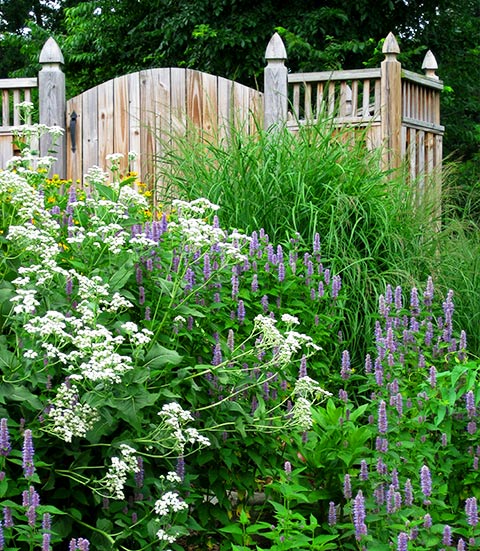
The rise of interest in native plants is a part of a larger movement often called ecological landscaping. This movement started over 50 years ago when the National Wildlife Federation launched the Garden for Wildlife® movement in America. The goal? To “teach and advocate mainstream adoption of an ecological approach to gardening both for residential properties as well as throughout the greater community.”
Today, we see this movement in a variety of different parts of the built environment, including living shorelines, wetland restoration projects and wildlife crossings. On a smaller scale, a lot of homeowners and landscapers have started working on designing gardens with native plants in mind – often called native plant landscaping. Plant Wild describes native plant landscaping as “the practice of incorporating local flora to create sustainable, bio-rich gardens that require minimal upkeep once established.”
What are the benefits of native plant landscaping?
Working with native plants in a garden not only offers great ecological benefits, they also offer aesthetic and functional benefits! Benefits include:
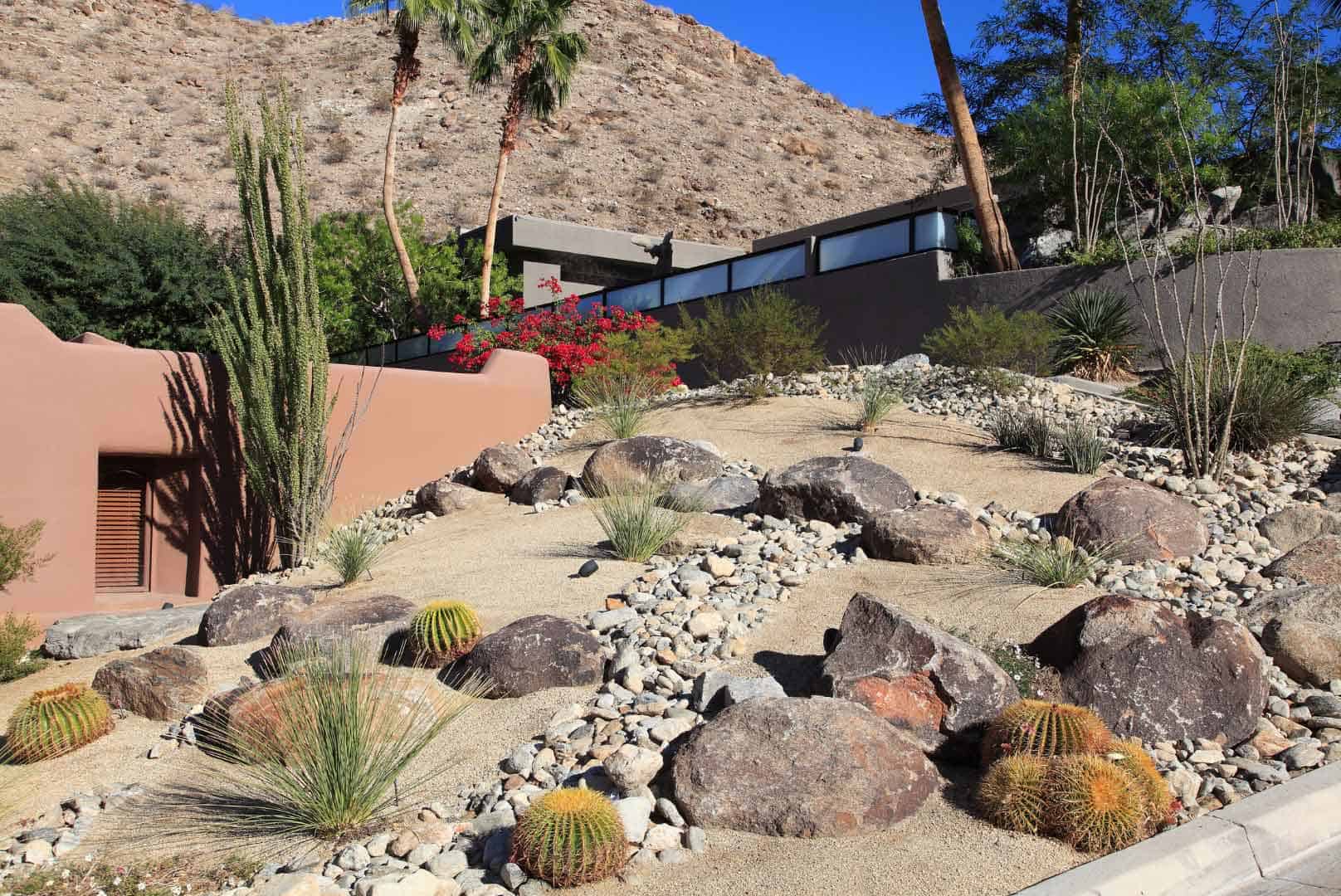 Low maintenance: Native plants often don’t require the high levels of trimming, mowing or other conventional maintenance that lawns and non-native gardens require. Not only does this mean less work for you, but it can also improve air quality (landscape maintenance equipment produces up to five percent of ozone-forming volatile organic chemicals).
 - Increased water quality: One of the big reasons that cities are working to restore natural wetlands as part of the Garden for Wildlife® movement is the water quality benefits. On a large scale, wetlands naturally filter water in an area, raising the water quality. On a smaller scale, using native plants in a garden can filter and manage stormwater and grey water more efficiently than their non-native counterparts.
- Drought-tolerance: If you are in an area that struggles with periods of drought, native plants can be a great solution! They are naturally adapted to these cycles of dryness and are able to flourish with minimal water where more non-native species suffer. Alternatively, if you live in an area that experiences flood cycles, the native plants in your area will have adapted to not only surviving but thriving in that environment as well!
- Reduced use of chemicals: Because native plants are naturally adapted to the climate of your area, they need less aid in the form of chemical fertilizers, pesticides and other toxic lawn treatments. The American Society of Landscape Architects (ASLA) points out that not only does this save money on those products, but it also avoids “runoff into water supplies that release a range of pollutants and can cumulatively affect air and water quality in the area.”
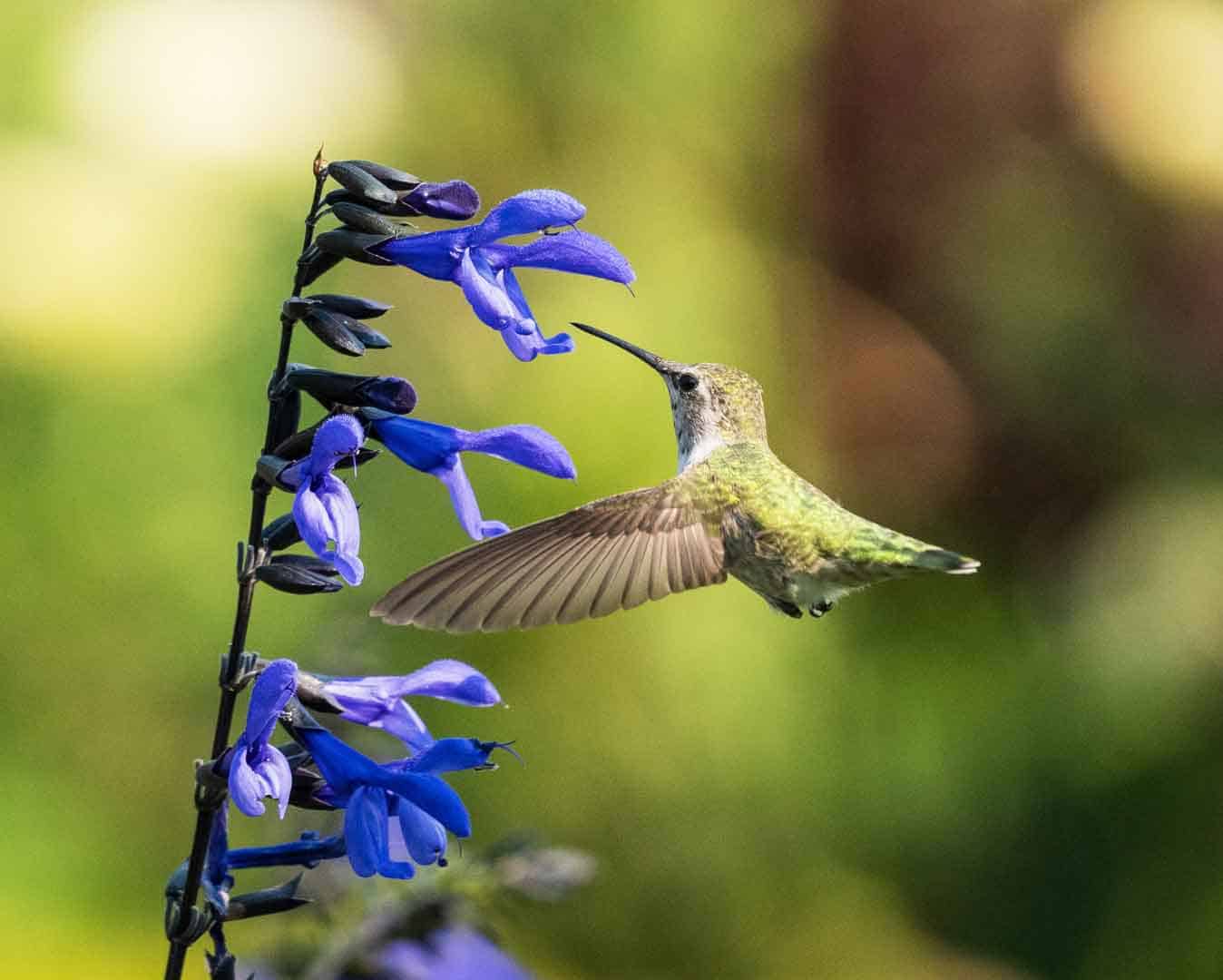
- Improved biodiversity: Creating a native plant landscape is key to restoring local ecosystems and creating a healthy, biodiverse environment. Plant Wild explains, “By providing sources of nectar to pollinators, providing shelter for mammals and food supplies for wildlife, they aid in keeping an interconnected ecosystem alive, which involves many different species. Healthy plant communities also produce healthy soils and can restore depleted and degraded landscapes with the right mix of bacterial and fungal support.”
Building your garden
 Native plant landscaping is all about balancing aesthetics with functionality and is the furthest thing from a one-size fits all situation. Even within a region, the native plants will differ depending on factors like soil type and climate. Plant Wild shares, “Depending on our geographical location, different soil types may be present at lower elevations compared to higher up in the mountains. Therefore, understanding the water and nutrient needs of our chosen plants is crucial.” There are a variety of resources online to help you through this research, including National Wildlife Federation Native Plant Finder, The Xerces Society, Ladybird Johnson Wildflower Center, High Plains Environmental Center, or even local blogs.
With that being said, there are some general guidelines from the National Wildlife Foundation (NWF) to get you started on your native plant landscaping journey.
- The native plants are the star: As you design for both function and beauty, don’t lose sight of the importance of native plants. Again, these plants have “ecological relationships with wildlife that non-native plants don’t and are adapted to the local climate, weather, precipitation and soils.”
- Build structure into the space: Include plants of a variety of forms and sizes. This includes creating a dense, low-growing layer (this helps “retain soil moisture, suppress weeds, and minimizes erosion without having to use wood mulch”) all the way to the canopy with trees, shrubs and grasses. Not only does this make for a more diverse landscape, it also creates aesthetic focal points, framing, interest and screening.
- Think beyond one season and one plant: Don’t just plant flowers for the summer, think about plants that will last through the other seasons. In other words, try planting a mix of flowering species that will bloom throughout the seasons. And don’t forget to plant some non-flowering species that will maintain visual interest through the winter. Not only does this offer year-round food and habitat for local wildlife, but it also keeps your space looking nice all year long!
- Don’t be afraid to plant densely: Oftentimes we think of a clean garden bed with mulch exposed as the aesthetic goal. However, when you are working with native plant landscaping, planting densely can actually be a better option. Dense garden beds provide better habitat for local wildlife and it also means less work for you as it can keep weeds and invasive plants from getting established!
- Support the soil beneath you: One of the biggest benefits of working with native plants is reducing the use of chemical fertilizers and pesticides in exchange for their natural durability and resistance. If your plants still look like they need a bit of help, try utilizing natural nutrients like fallen leaves or compost first! A healthy soil without chemicals will ultimately help your garden thrive more than any fertilizers could.
- Bring in water: Water features are a great way to add some movement, sound and visual aesthetics to your landscape. At the same time, it can provide a core habitat resource for birds and other wildlife (even if it's as simple as a bird bath!). The best part? As you build a native plant landscape and more native wildlife comes in, they will help naturally manage pests (such as mosquitoes which are eaten by animals such as dragonflies, frogs and birds).
Remember, these are just general tips and guidelines to get you started. To truly design a flourishing native plant landscape, you will need to research your area specifically.
Image sources in order of appearance: Plant Wild (cover), NWF, Plant Wild, Plant Wild
Stay up to date with the latest industry news when you sign up for the Coffee Shop eNews.
Recommended For You

Altoz introduces XC SSi series and XP 610 SSi zero-turn mowers
Read More ...
Exhibit space at Equip Exposition sells out for a fifth year in a row
Read More ...
Introducing The W.I.T.C.H
Read More ...
UP TO THE MINUTE





Comments
Leave a Reply
Have an account? Login to leave a comment!
Sign In