UP TO THE MINUTE









Layered water-saving strategies deliver results
By Jesse Sanchez.
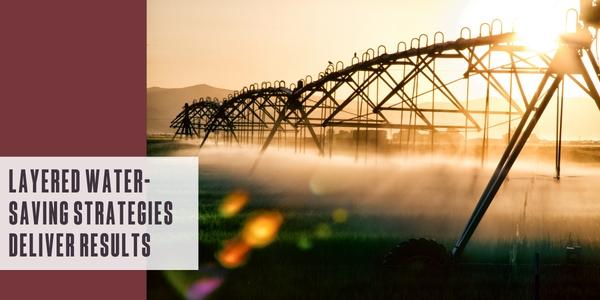
Municipal parks departments are combining smart irrigation technology, recycled water, turf conversion and long-term planning to reduce water consumption.
As the Irrigation Association reports, municipalities facing tighter water restrictions are finding that no single conservation measure is enough. The most significant savings come from combining irrigation technology, efficient landscapes, data monitoring and proactive planning. Denver Parks and Recreation (DPR) must reduce water use by 20% during the 2026 season under Denver Water’s Water Budget Program. The department is building on more than a decade of investment in centralized irrigation control.
“Over the past decade, DPR has systematically converted all park irrigation controllers to a central control system,” said Stephanie Figueroa, marketing and communications specialist for the City and County of Denver Parks and Recreation department. “Today, our network includes 740 controllers serving more than 330 parks.”
The system uses weather stations, rain sensors, automatic rain shutoffs and evapotranspiration-based scheduling. According to Stephanie, centralized control has reduced water consumption by an average of 20% and saved millions of gallons during major rain events.
Arizona municipalities are taking similar steps. Phoenix Parks and Recreation has invested $2 million since 2012 to install smart controllers across 90% of its largest outdoor facilities. Scottsdale Parks has documented more than three billion gallons in savings over approximately 25 years while routinely using 15% less water than its annual allotment.
Technology is only one part of the strategy. About 30% of Denver’s parks use recycled water, while the department continues replacing traditional bluegrass turf with drought-tolerant native grasses. In 2026, Denver will also shut off decorative fountains to prioritize athletic fields and tree canopies.
Municipalities are pairing these improvements with consumption reports, alerts, water budgets and third-party irrigation audits. Caitlyn A. Hall, Ph.D., with the Arizona Municipal Water Users Association, emphasized that early preparation also improves results. Caitlyn shared, “Securing funding, building contractor capacity and establishing programs before they are urgently needed reduces ‘speed bumps’ and produces better outcomes.”
Learn more about the Irrigation Association in their Coffee Shop Directory or visit www.irrigation.org/IA.
About the author

Jesse is a writer for The Coffee Shops. When he is not writing and learning about the roofing industry, he can be found powerlifting, playing saxophone or reading a good book.
Recommended For You
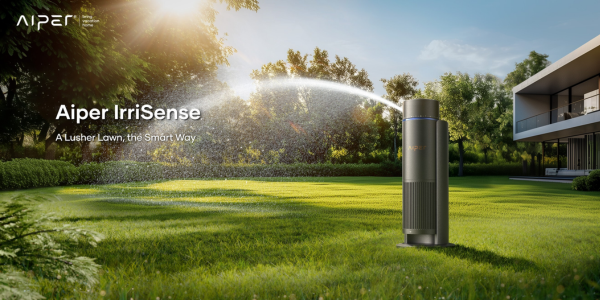
Transforming the smart yard ecosystem: Aiper launches IrriSense Smart Irrigation System — A lusher lawn, the smart way
Read More ...
2026 Irrigation Show and Education Week
Read More ...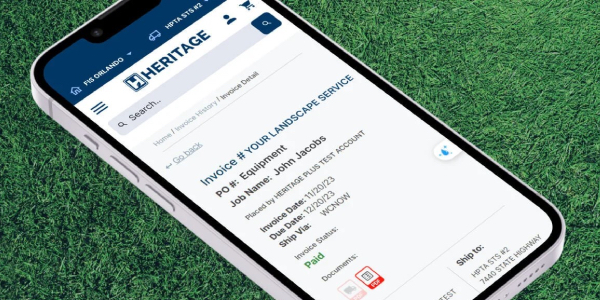
Heritage+ has everything you need and more
Read More ...
UP TO THE MINUTE



Comments
Leave a Reply
Have an account? Login to leave a comment!
Sign In