




Bradley Mowers releases "Advanced Aeration and Overseeding: The Professional's Approach to Soil Health"

Bradley Mowers has announced the release of its latest resource, "Advanced Aeration and Overseeding: The Professional's Approach to Soil Health."
This guide provides information on the mechanics of soil compaction, strategic timing, overseeding protocol, post-aeration care and how to measure success.
Soil is composed of 50% solid matter and 50% pore space, and these pores can change due to foot traffic, heavy machinery or rainfall. When aerating soil, it is important to focus on hollow tine aeration over spiking because hollow tine removes plugs of soil to create voids, where spiking pushes the soil aside. Aeration should align with the grass's peak growth period. For cool-season grasses, the ideal aeration window is late summer to early fall and for warm-season grasses, the ideal aeration window is late spring or early summer.
"A professional-grade aeration and overseeding project doesn't just look better for a month; it changes the trajectory of the lawn for years," according to Bradley Mowers. Aeration enhances drought resistance and increases nutrient uptake in the soil. After aeration, many professionals advise leaving the hollow tine plugs on the lawn, as they will add microbes and organic nutrients to the topsoil. Irrigation should be done 2-3 times per day, and the amount should be just enough to keep the seeds damp, not soaked. During post-aeration, a starter fertilizer high in phosphorus should be used instead of weed and feed products.
To learn more about advanced aeration and overseeding, please visit Bradley Mowers here.
About Bradley Mowers
At Havener Enterprises, we are continually growing but refuse to lose our small company identity. We believe in personal attention to detail throughout the order process. Callers talk to a real person on the phone. We believe in the "hands-on" approach. We developed our products in the field by using them. We listen to our customers and are always working to give the best product for the best value. We pledge that our global appeal will never change our small business feel.
Recommended For You
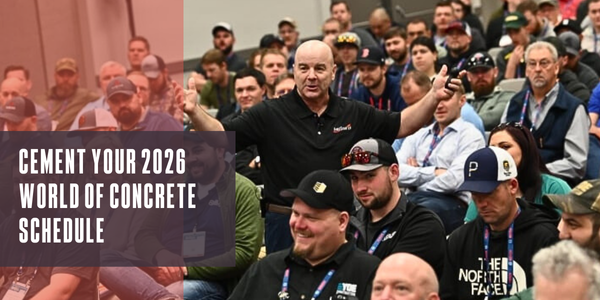
Cement your 2026 World of Concrete schedule
Read More ...
Soak up all the learning opportunities at the 2025 PSP Expo!
Read More ...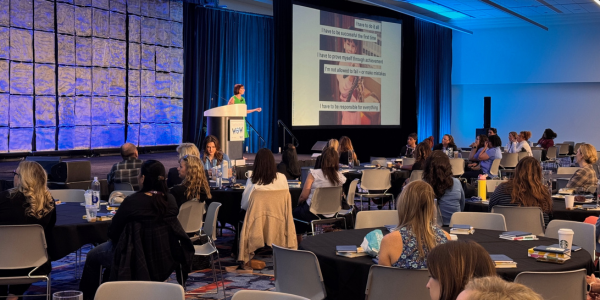
Women of Water inspires confidence and community
Read More ...
UP TO THE MINUTE




Comments
Leave a Reply
Have an account? Login to leave a comment!
Sign In